


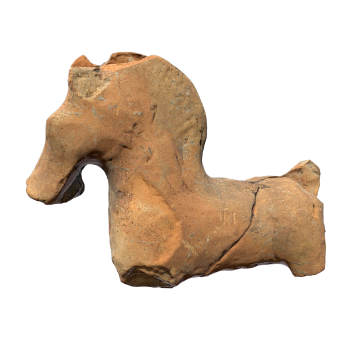
Ancient clay horse statue
The style and material of this horse statue indicate that it is likely to be from the archaic period of ancient Greece, about 600 BC to 480 BC. Pottery horse figurines were very popular at the time and were found in a large number of tombs and temple sites in areas such as Bolivia. In ancient Greek culture, the horse was a symbol of wealth and status. These small statues of pottery horses are often used as sacrificial offerings or funerary objects and placed in tombs to symbolize the social status of the deceased. The statue is made by hand-kneading and molding technology, and its shape is abstract and simple, highlighting the basic characteristics of the horse, revealing a naive and simple aesthetic feeling.
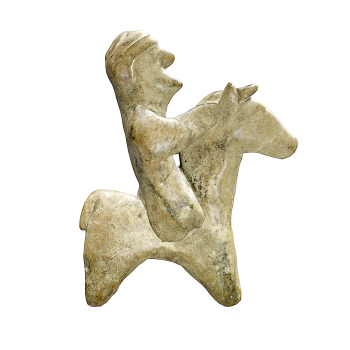
Pottery statue of horse and rider in ancient Cyprus
This is an ancient Cypriot pottery statue of a horse and rider. This kind of sculpture is usually made in the archaic period of Cyprus, between 700 BC and 450 BC. The statue is handcrafted from terracotta, usually unglazed, and presents a natural light brown or off-white color. These small figurines and animal sculptures were widely used in ancient Cyprus as tomb offerings or temple offerings. At the time, horses were a symbol of status and wealth. The use of statues of horses and riders as funerary objects may symbolize the prominent social status of the deceased or their devotion to the gods.

Clay horse (3D printable)

Popular Models


Honey Badger (3D animated model)
192 View
Guinea fowl (3D animated model)
163 View

Wild Goose (3D animated model)
185 View

Red Fox (3D animated model)
153 View
Random Model



Vlad III Bust
506 View

Romanesque period peace church
818 View

Australian Fold Terrain
1009 View

Pineapple
577 View

Desert Travel Boots
623 View

Bucks 3D model with animation FBX
843 View

Bread
419 View

Living room sofa
580 View